Cradle of the Spirit: On Man's Eternal Need for Artistic Space.
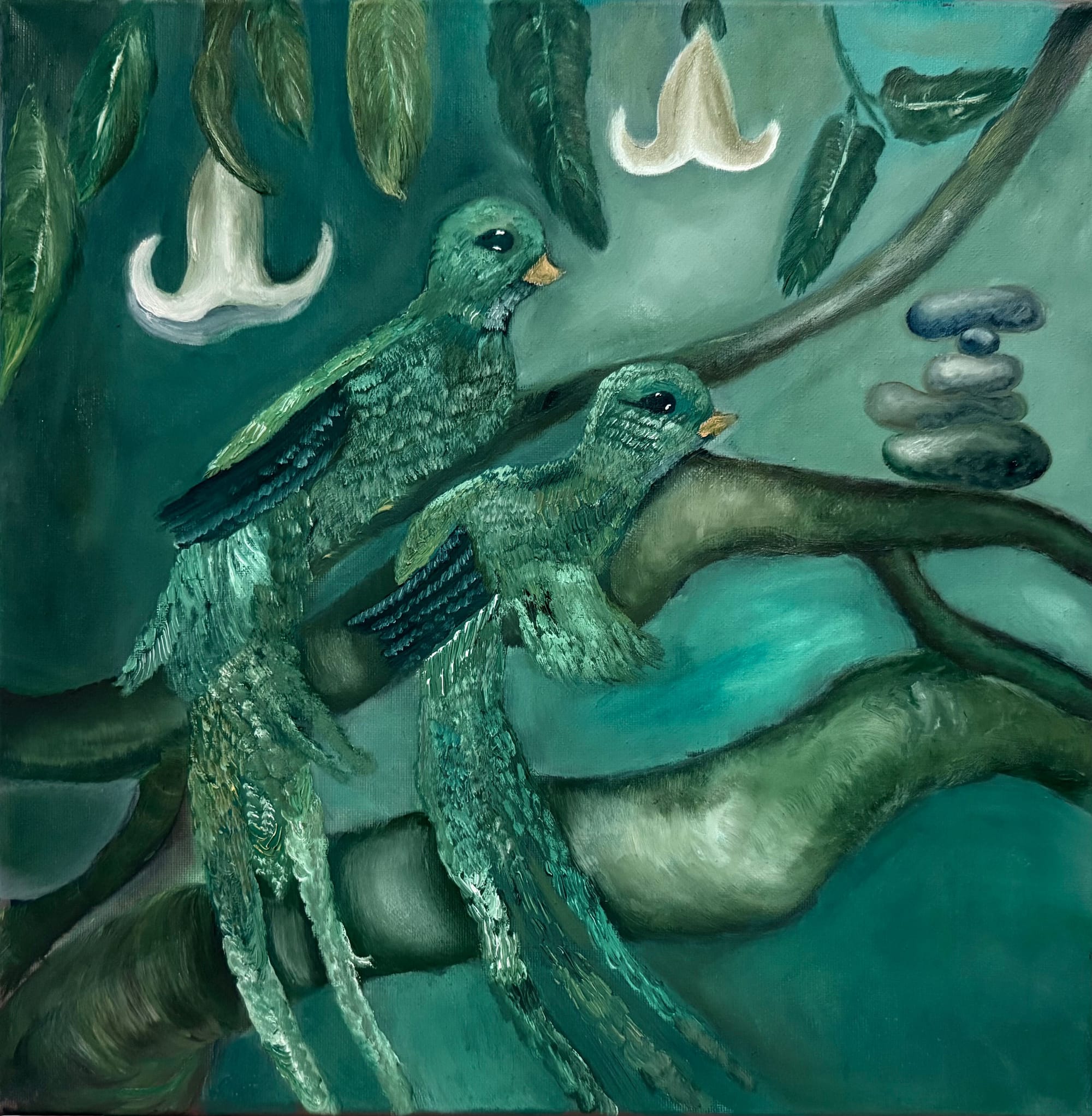
There are questions that defy hasty answers. One of them is why we need art. Not in the sense of practical utility, not as interior decoration, or as a cultural pastime. But in the deepest, almost uncomfortable sense: why does something within us slowly begin to die without it?
The rational mind will offer its own versions. It will speak of aesthetic pleasure, of social function, of historical memory. All this is true—but not the whole truth. Because a genuine encounter with art occurs in that layer of being where arguments cannot reach. Where it dwells not through thought, but through something more ancient and more genuine.
Art is not born out of utilitarian utility. It is born from a deep, almost desperate desire to find a quiet refuge in a boundless and indifferent universe. It is not an adornment to life—it is its most subtle instrument, carefully tuning the inner architecture of our feelings. And when this instrument is silent for too long, a person begins to lose themselves—quietly, imperceptibly, but inexorably.
For millennia—from the cave paintings of Altamira to contemporary installations, from Sumerian hymns to jazz improvisations—humankind has tirelessly created and sought artistic expression. Not because it was obligatory. But because it could not do otherwise. This drive is deeper than culture, deeper than upbringing—it is woven into the very fabric of the human being, as inescapable as breathing.
People turn to artistic images for three sacred gifts: three ways to simultaneously understand the world and rest in its harmony.
I. Consolation with harmony and healing of the gaze
Life is rarely merciful. It unfolds according to its own logic, without asking our consent—and at some point, almost everyone finds themselves alone with something beyond their control. With loss. With a nameless anxiety. With that vague feeling that comes at three in the morning and leaves neither mind nor heart uneasy.
At such moments, art does the logically impossible: it takes pain and transforms it into beauty. It doesn't eliminate it, doesn't muffle it, doesn't devalue it. It transforms it. The most complex, sometimes unbearable, experiences are clothed in perfect, complete forms in a true work—and this in itself becomes an act of healing.
Why does this work? Because form is order. And order is proof that chaos can be overcome. When Schubert transformed his loneliness into sonatas, when Frida Kahlo painted her pain in oils on canvas, they weren't running away from suffering—they were showing us that suffering can be endured and that what is experienced can become beautiful. This is not an illusion or a self-deception. It is the deepest truth about the nature of the human spirit.
Contemplating a painting or listening to a poetic word, we seem to share the burden of our existence with eternity. We cease to be alone in our pain—because someone before us felt the same and found a language for it. And this language has reached us through the centuries, losing neither its strength nor its warmth.
In art, the human psyche finds what it so desperately lacks in the mundane flow of life: peace without numbness, silence without emptiness. The chaos of personal anxieties is transformed—not eliminated, but transformed into a pure, luminous peace. This is what the ancient Gre
