Consciousness as a system: code written by experience
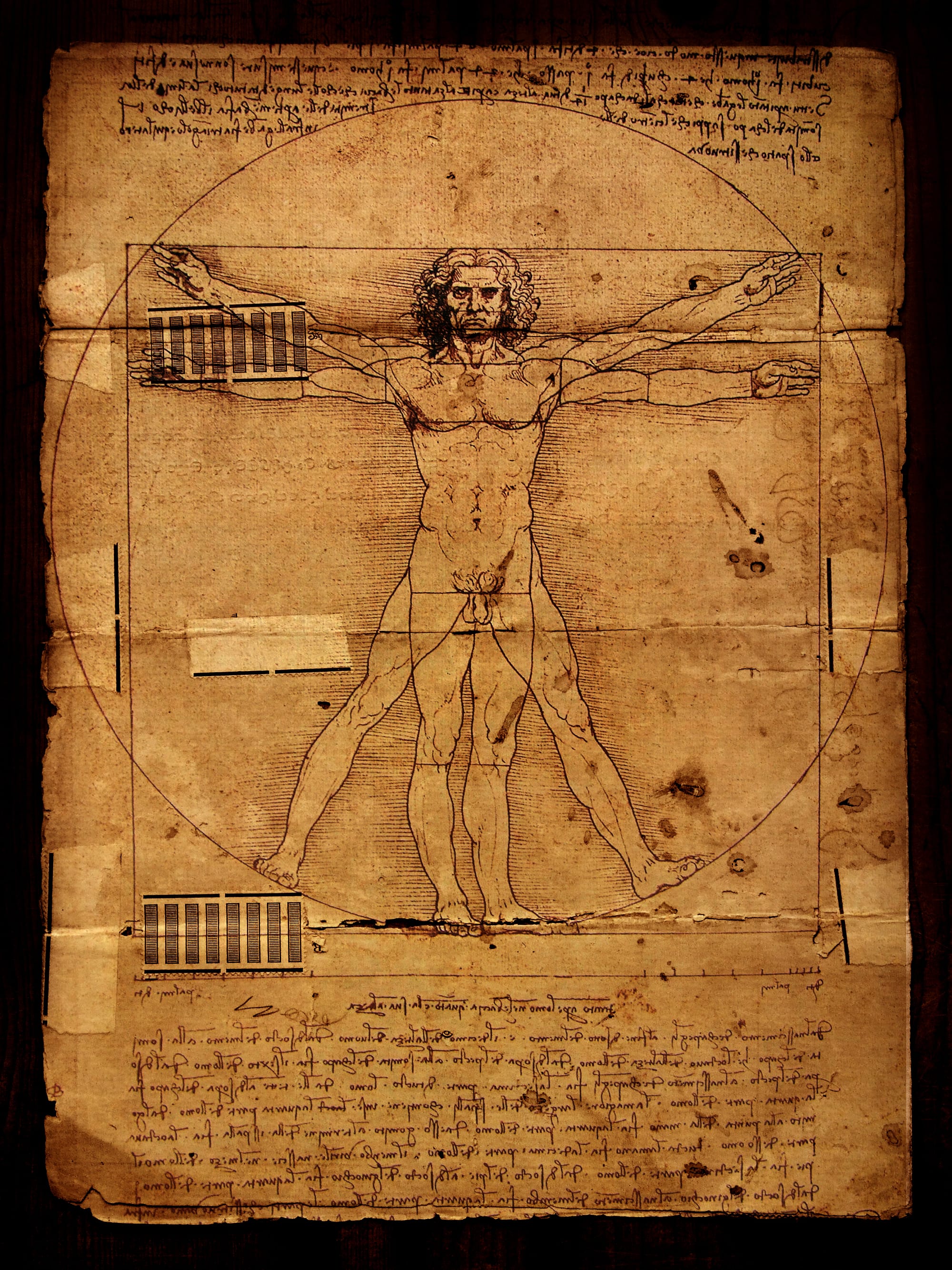
The human consciousness is not a blank page. It's closer to a complex system, where every impression leaves a trace, every thought writes a line of code, every encounter adds a new fragment of the program. We live within this code, without even realizing that it was created by us—along with our parents, culture, language, pain, and joy.
As children, we absorb everything unfiltered: words become laws, fears become the contours of boundaries, love becomes our first knowledge of the world. These are the first lines of our internal "software." Later, we begin to add to them, but rarely rewrite them. And so our consciousness operates on old algorithms: we react in the same way, make habitual mistakes, follow the paths we once chose—and forget that there is a way to turn back.
Consciousness is not chaos. It is a system programmed by experience. But within this system there is freedom: we can be aware of our scripts, identify repeating lines of code, and decide what to keep and what to rewrite.
Think of it this way: a thought is a command. A belief is a loop. A memory is a library of functions we access again and again. But if code can be written, then it can also be changed.
And here's where the most important thing comes in: we are not slaves to our programming, we are authors. And anyone who begins to understand their inner language is already taking the first step toward rewriting the script.
Consciousness is not a prison, but a laboratory. And in it, we can learn to reassemble ourselves: change words, choose a focus, form new habits. We can be not only readers of old texts but also writers of new ones.
And perhaps this is precisely the real art - to program our consciousness so that it leads us to freedom, and not to repetition.
Language as Code: Reality Written in Words
Consciousness doesn't exist in a vacuum. It's always speaking. And that means it's programming itself.
We think in words, and so language becomes not just a means of expression, but the environment in which our self is born. Every metaphor, every expression, every familiar comparison is a piece of code that governs our reactions and choices.
When a child is told repeatedly, "The world is dangerous," it's not just a phrase; it's an instruction that triggers thousands of future decisions. When a person tells themselves, "I have no choice," it's a command that shuts off entire realms of possibility.
Cognitive science confirms that language shapes our worldview.
- Some languages have dozens of words for "snow" or "light"—and speakers of these languages see nuances that others miss.
- Where grammar requires the future tense to be indicated, people manage their plans differently than those for whom the future is “fused” with the present.
- Even the direction of writing influences how we represent time: left to right or top to bottom.
Language is the architecture of perception.
But here lies both a trap and an opportunity. We rarely notice that we live in a web of other people's words: parental attitudes, cultural cliches, the slogans of the era. Language can become a cage if used thoughtlessly. But if we see it as a code system, we begin to understand: it can be rewritten.
Philosophers called this "reprogramming meaning." Nietzsche spoke of a revaluation of values, Wittgenstein of the "limits of language," which are simultaneously the limits of the world. Modern psychotherapists use narrative-altering techniques: simply change the word "problem" to "task," and the code for perceiving the world changes.
In this sense, art is the supreme laboratory of language. The artist or poet creates new words and new combinations, thereby rewriting the very fabric of possible perception. When Rimbaud said, "I am the other," he wasn't simply
