Play as a way of being: philosophy and psychology of freedom.
I. When a person plays, he remembers who he is
There is something intimate in the way a child rolls a wooden car across the floor. He does not do it “for the sake of it,” he is in the process. He does not ask himself about the meaning. He is in the very heart of the world, where everything has not yet fallen apart into ends and means. And if we listen carefully, we will hear: it is not he who plays — the world plays through him.Later, when a person grows up, the game becomes a simulation, a ritual, a search. He plays at work, at love, at the role of an ideal citizen. But isn't this already a game, only with different rules?
II. Homo Ludens: The Man Who Plays
Johan Huizinga says in his great book: play is not the opposite of seriousness. Play is primordial. Before language, before logos, before culture, there was play. To be means to enter into relationships, into rhythm, into symbol.Psychology sees play as a field of freedom. It is a place where one can try, make mistakes, lose – and still be accepted. It is here that the “I” is born, as in the theater: having tried on someone else’s mask, the child finds his own.
To play is to take a risk. To play is to live many lives and go beyond your own.
III. Play as Metaphysics: Nietzsche, Heidegger, Baudrillard
Nietzsche has Zarathustra teaching how to dance. It is not entertainment, it is a path. Play as the art of living without support. Heidegger has the space of play (Spielraum), where a person discovers being when he rejects utility. Baudrillard has a disturbing picture: we play with signs, forgetting that there was once meaning behind them. Fashion, identity, success are simulacra, endless masquerades without depth.What to do? Don't give up the game. But remember its source.
IV. The Four Faces of Play: Caillois and the Psychology of Experience
The French philosopher Roger Caillois distinguished four types of play:- Agon - struggle, competition, chess with fate
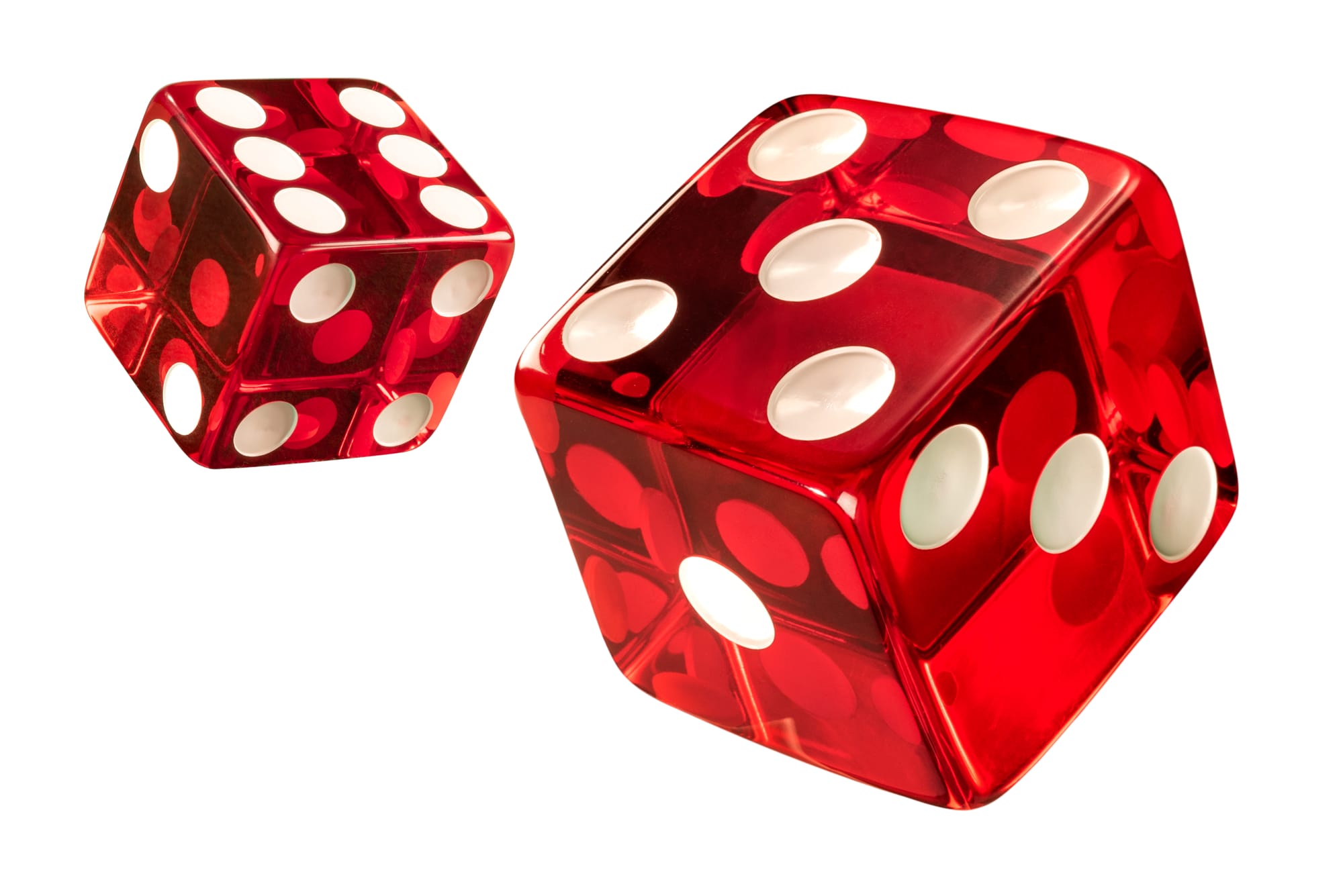
- Alea is a game of unpredictability, the lottery of life
- Mimicry - pretense, theater, mask
- Ilinx - dizziness, delight of dissolution
V. Psychotherapy and play: healing without words
Play therapy does not require words. Where a child cannot tell, he shows. An adult can do the same: through theater, dance, art, improvisation — to experience what is unbearable to comprehend. The game becomes not an escape, but a safe space for experiencing pain.And what does a man do who is able to play even in hell? - He remains a man.
VI. Play as Ethics and Existence
Playing is not frivolity. It is a refusal of cynicism. It is the courage to live in a world where there are no guarantees, but there are moments of the present. It is a way of being with the other not as an object, but as a partner in the great game called “life”.A game is when you say to reality:
"I don't know how it will all end,
but I'm going into this with my eyes open,
with ease, with pain, with love. I am in the game."
VII. Finale without a point
Every person is a bearer of a secret game. Some play for salvation, some for destruction, some for meaning. Philosophy does not give instructions on how to win. But it gives the main thing: the space in which the game becomes conscious.And psychology takes us back
Comments
